Sustainability is not a checkbox, it’s a mindset
A few weeks back, I had the privilege to take part in the Sustainability and Ethics course at Indian School of Business. Among the many insights, one key takeaway stood out—sustainability is not a side activity; it’s a core mindset that organizations must adopt.
This difference becomes evident when comparing companies that focus solely on Corporate Social Responsibility (CSR) with those embracing Creating Shared Value (CSV). While CSR often operates in silos, CSV integrates sustainability into the heart of business strategy—delivering shareholder value while actively reducing environmental impact.
Let’s take a closer look at two examples of companies building this mindset:
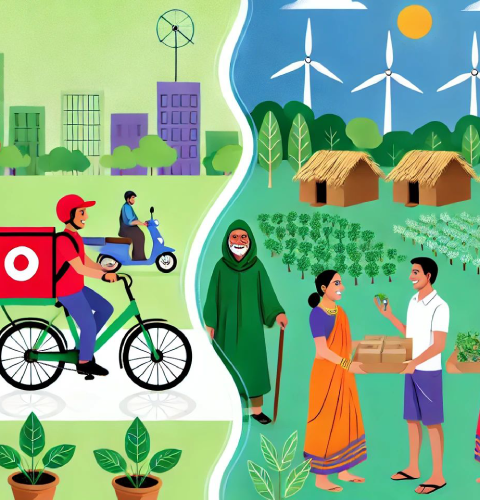
Zomato: Zomato is revolutionizing delivery logistics with a sustainability-first approach by introducing grouped deliveries. Instead of assigning a single order per delivery partner, multiple orders from the same location or route are grouped together. This significantly reduces the carbon footprint by optimizing fuel consumption, cutting down on vehicular emissions, and improving delivery efficiency. It’s a win-win: better margins for Zomato and a greener urban ecosystem.
Unilever: Hindustan Unilever’s Project Shakti empowers rural women entrepreneurs to sell HUL products in underserved areas. Not only does this initiative create livelihoods for thousands of women, but it also ensures last-mile connectivity using locally sourced, sustainable distribution networks. The project reduces the environmental footprint of large-scale logistics while fostering economic development, making sustainability and social impact a part of their core operations
As businesses and entrepreneurs, we must reimagine sustainability not as a cost but as an opportunity to innovate and create long-term impact. Embedding this mindset across industries and moving toward a future where profitability and planet go hand in hand will be key in the upcoming years 🌱🚀